
11 comments

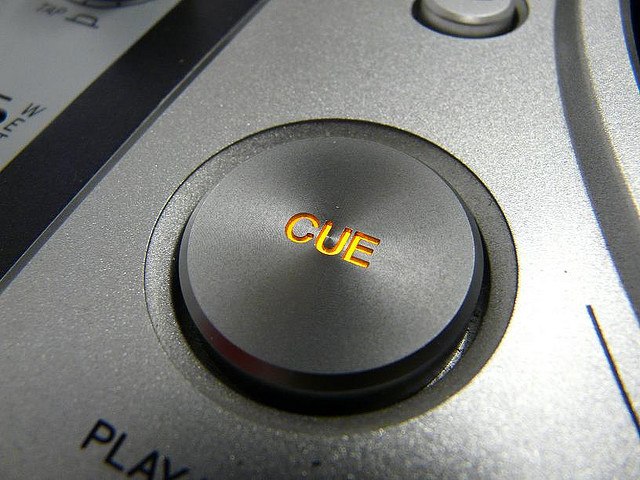
Hey, thanks for the awesome tuts. I’m giving DJing a go and although I’m ok at beatmatching this helped a lot. This may seem like a dumb question, but after I’ve beatmatched the tracks, paused the 2nd track and brought it back to the beginning, if I bring it in again on the beat it should still be beatmatched right (don’t have my controller here to test)? Also, looking at a lot of videos on youtube of DJs I always see them pressing the cue button repeatedly when beatmatching… what are they doing? Thanks!

Sure, the 2nd track will stay beatmatched to the 1st one even if brought back to the beginning and re-started on the beat. Not sure what you mean about the cue button (have to take a look at the videos you mention), but it could be the DJ testing if they got the beatmatching right by bringing the 2nd track to the beginning and starting it again to the 1st one. That’s normally not necessary though.
Thanks for the reply! You can see here what I mean: http://www.youtube.com/watch?v=txAtr7WFvY0 (starts around 1:00).
That’s not part of the beatmatching, the track is already beatmatched by then. What he does by pressing the cue button repeatedly is test his cue point again and again. (On Pioneer CDJs, pressing and holding the cue button starts the playback from the cue point, which stops after you release the button.) He actually starts the track at 01:16.

he is just tapping to the beat he is not even hitting the button

On the topic of jog wheel pitch bending: I know Numark uses rate-based and Vestax & Hanpin both use time-based, which accelerates the longer you rotate. Time-based necessitates just nudging/pushing the wheel, or, alternatively, rotating and then stopping the wheel abruptly. Rate-based jog bending allows more constant rotation and a very rapid riding of both the jog and the pitch slider simultaneously to get the track by ear at exactly the right speed, but the work flow is less like on vinyl. Most software/DVS jog methods seem to use the rate-based method, though I know briefly Traktor Pro tried to shove a broken time-based implementation down our throats. Is the Pioneer jog bend time-based or rate-based?
I’m also curious about various methodologies of blend interacting with the scratch function, using delayed action to mitigate this, and when track playback reoccurs upon release of the touch versus the propensity to allow spinback.
Hi Ret, to be honest, I’ve never considered the difference between time-based vs. rate-based for jog wheel pitch bending! Given your description, I think that Pioneer has it rate-based. The faster you rotate the jog wheel, the more the pitch is increased/decreased. Hope that helps 🙂
Thanks.
BTW, I believe this time-based jog pitch bend is a result of firmware that has only one pitch bend section in its code: the pitch buttons, and then the jog is just utilizing this. Pitch bend buttons under the pitch fader require a “progressive” time-based aspect to work well. If you’re just using that portion of the code for the jog wheel bend, then you can’t do rate-based. On units that have time-based bend, you can see that alterations of the sensitivity or maximum bend changes both the buttons and the wheel. This is a really lazy way to code a DJ player, though.
Interesting observation Ret, perhaps that explains it.

You don’t have to pause right at the end.
This method works better for me.
After matching, set the track playing on deck b
Repeatedly hit cue on deck b in time with the beat on deck a
When a new phrase starts on deck a, let deck b ride by not tapping cue
This method just seems better for matching phrases, well for me anyway
You can also not use cue at all and hold the platter at the cue point, which seems to work better for people used to vinyl